Color Psychology in Bus Advertising: Best Colors to Maximize Visibility & Sales
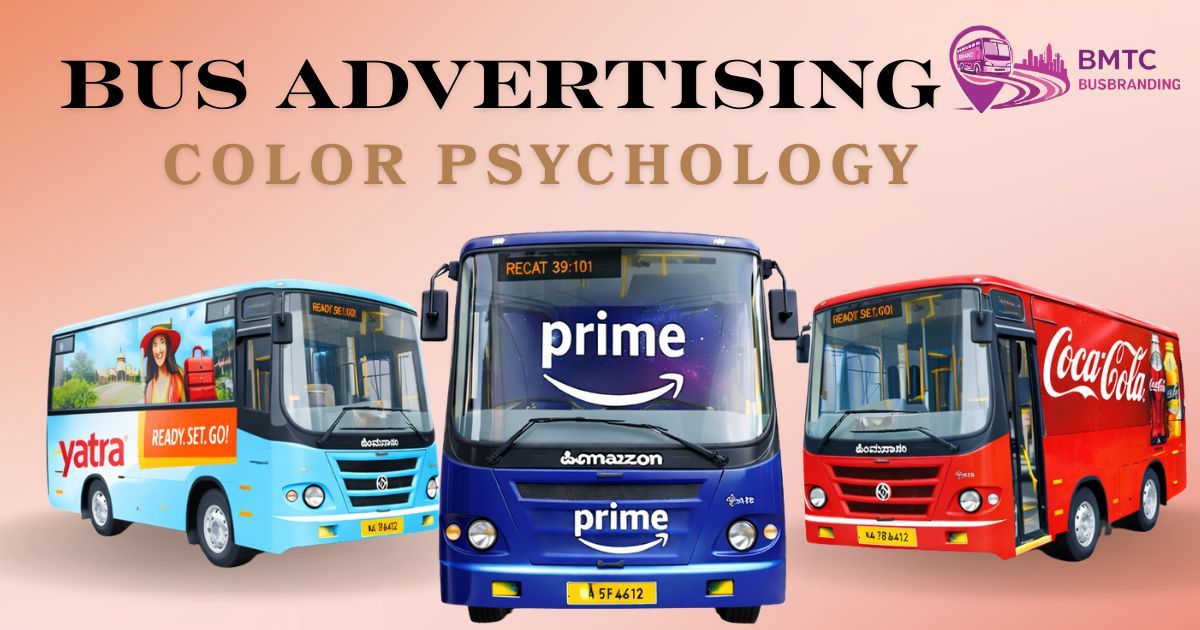
Understanding color psychology in bus advertising is essential for maximizing brand visibility and engagement.
Colors evoke emotions and influence consumer behavior. Research shows that 85% of consumers make purchasing decisions based on color alone. Additionally, ads with color increase brand recognition by up to 80%. This highlights the importance of selecting the right colors for your bus advertisements.
- Color impacts recall: Studies indicate that colored visuals increase ad recall significantly.
- Emotional connection: Colors can stir specific feelings, guiding consumer responses.
- Brand identity: Consistent color schemes help establish a recognizable brand image.
Your choice of colors attracts attention or blends into the background. Prioritizing effective color use will enhance your advertising campaigns.
Defining Color Psychology in Context
Understanding color psychology in bus advertising is crucial for effective branding strategies. This study examines how colors influence perceptions and behaviors, impacting visibility and sales.
Colors are categorized into warm, cool, and neutral tones. Warm colors like red and yellow evoke energy and excitement, while cool tones such as blue and green create calmness and trust. Neutral shades serve as a backdrop that balances vibrant designs. Each color triggers specific emotional responses, making it vital for brands to choose wisely for maximum impact.
- Warm Colors: Energizing, attention grabbing.
- Cool Colors: Trust building, calming effects.
- Neutral Colors: Balancing elements in design.
Identifying the Problems Addressed by Color Choices
Color psychology in bus advertising plays a crucial role in overcoming challenges brands face in crowded urban environments. In bustling cities like Bangalore, capturing commuter attention is vital.
Colors convey brand messages quickly and effectively. With just a glance, commuters identify or relate to your brand. This rapid recognition is essential for driving engagement and conversion.
- Many brands struggle to stand out among competing visuals.
- Crowded urban settings dilute individual brand visibility.
- Effective color choices enhance brand recall.
- High impact colors grab immediate attention from passersby.
Thoughtful color choices help improve visibility and create a clear, consistent brand impression across bus advertising.
Want your brand on Bengaluru's buses?
Get a route plan, format recommendation and pricing, usually within a minute.
Mechanics of Color Use in Bus Advertising
Understanding the mechanics of color use in bus advertising is crucial for enhancing visibility and attracting attention. The right colors can transform a bus into an eye-catching mobile billboard, making it stand out from the urban landscape.
Colors evoke emotions and associations. For example, red is often linked to excitement and urgency, while blue conveys trust and reliability. When combined effectively, contrasting colors enhance message clarity and retention. This means using vibrant shades with strategic placement increases the chances of capturing a commuter's gaze from a distance.
- High contrast: Makes key messages pop.
- Complementary colors: Create visual harmony.
- Brand colors: Reinforce brand identity.
Field reports show that businesses utilizing thoughtful color combinations see improved engagement rates. By understanding color psychology in bus advertising, brands optimize their designs for maximum impact. For instance, a tech brand might use a combination of blue for trust and orange for enthusiasm to appeal to IT professionals, enhancing both recognition and emotional connection with the target audience.
Key Color Components and Their Effects
Understanding key color components is essential for effective bus advertising. The right colors enhance visibility and influence consumer behavior, significantly impacting your campaign outcomes.
- Red: This color evokes urgency and excitement, making it ideal for promotions or time sensitive offers.
- Blue: Often associated with trust and dependability, blue strengthens brand credibility for commuters.
- Yellow: Bright and optimistic, yellow captures attention quickly, perfect for drawing eyes to your message.
- Green: Symbolizing health and tranquility, green appeals to a growing audience focused on wellness.
By leveraging these insights from color psychology in bus advertising, brands boost visibility and sales across Bangalore's busy routes.
Debunking Common Misconceptions About Color Usage
Understanding color psychology in bus advertising is essential to effective branding. Different colors influence visibility and audience perception in different ways.
- The right color fosters brand recognition.
- Color choices should align with the target audience.
- Bright colors work well in some cases, depending on where and how they are used.
Color choices in bus advertising should match the audience and brand identity. Both bright and muted tones are effective when used in the right context.
Practical Applications of Color Psychology in Campaigns
Understanding color psychology in bus advertising helps create impactful campaigns tailored to your audience. By aligning color choices with target demographics, brands enhance visibility and engagement.
- Tech brands may use blue for trust and security.
- EdTech firms often opt for green to symbolize growth and learning.
- Seasonal colors, like vibrant reds and golds during festivals, resonate with local events.
Using the right colors improves brand recognition and helps create a strong connection with commuters. This makes your message clearly visible across Bangalore’s busy streets.
Understanding the Limitations of Color Psychology
Color psychology plays an important role in bus advertising. Understanding how it works helps create more effective campaigns.
Color alone can't compensate for poor design or messaging. If your graphics don't resonate or your message isn't clear, even the best colors won’t drive results. Additionally, cultural interpretations of colors can vary significantly. For example, red signifies excitement in many cultures and caution in others. Aligning color choices with the target audience ensures better relevance and impact.
- Ensure your designs are visually appealing and aligned with your brand message.
- Consider local cultural meanings of colors to enhance effectiveness.
- Test various color combinations to see which resonates best with your target audience.
Your campaign's success hinges on understanding how different communities perceive colors. Tailoring your approach ensures you connect meaningfully with diverse audiences.
Curious About Enhancing Your Bus Advertising Strategy?
Understanding color psychology in bus advertising enhances your brand's visibility on Bangalore's bustling streets. The right colors attract attention, evoke emotions, and even drive sales.
To maximize the effectiveness of your campaigns, consider testing different color schemes through A/B testing. This method allows you to identify which colors resonate best with your target audience.
- Colors like red and yellow grab immediate attention.
- Blue conveys trust, ideal for tech and finance brands.
- Greens are associated with growth, perfect for real estate ads.
- Black adds a premium feel, suitable for luxury brands.
Your choice of color directly impacts how commuters perceive your brand. A well thought out color strategy can:
- Create a memorable impression on potential customers.
- Differentiates your brand from competitors in a crowded market.
- Enhance emotional engagement with your audience by aligning colors with brand messaging.
Choose wisely to stand out.
Real-World Examples of Effective Color Use
Understanding color psychology in bus advertising can significantly enhance brand visibility and sales. Companies like Pepsi, Coca-Cola, and Nescafé effectively use colors to connect with audiences on Bangalore's bustling streets.
- Pepsi: Their vibrant blue bus wraps stand out, capturing attention against the city’s diverse landscape.
- Coca Cola: The bold red evokes excitement and energy, making their branding memorable.
- Nescafé: Warm tones create a sense of comfort, appealing to commuters seeking familiarity during their daily travels.
These brands demonstrate how strategic color choices elevate your marketing efforts in transit environments.
Frequently Asked Questions (FAQ)
Understanding color psychology in bus advertising is vital for creating impactful ad campaigns that resonate with audiences. The right colors enhance visibility and drive sales effectively.
What is color psychology, and how does it apply to bus advertising?
It examines how colors influence perceptions and behaviors, helping brands choose hues that evoke desired emotions.
How do I choose the right colors for my bus advertising campaign?
Assess your target audience's preferences and align them with your brand message to select compelling colors.
Are there specific colors that perform better in urban environments?
Bold, vibrant colors like red and yellow stand out against cityscapes, grabbing attention quickly.
What role does cultural context play in color selection for advertising?
Colors carry different meanings across cultures; understanding these nuances ensures your message resonates properly.
Selecting the right colors in bus advertising significantly impacts your campaign's effectiveness, making informed choices essential.
Understanding color psychology in bus advertising is essential for maximizing visibility and boosting sales. Choosing the right colors significantly impacts how your brand is perceived by potential customers.
Different colors evoke various emotions and reactions, making strategic color selection crucial for effective transit advertising. Testing multiple color schemes helps you discover what resonates best with your target audience. This approach allows brands to tailor their messaging more effectively, ensuring better engagement and response rates.
- Colors like red can stimulate urgency, while blue instills trust.
- Bright colors enhance visibility, especially in crowded urban settings.
- Testing variations can lead to better brand recall among commuters.
Bus Branding Glossary
- Full bus branding (wrap)
- A full vehicle wrap covering both sides and the rear of the bus, the highest-impact, most visible format.
- Bus back / rear branding
- Advertising on the rear panel of the bus, in the line of sight of traffic queued behind it at signals and junctions.
- Side panel branding
- Branding on one or both side panels of the bus body, facing pedestrians and parallel traffic along the route.
- Vajra / AC service
- BMTC's premium air-conditioned (Volvo / Vayu Vajra) services, carrying a higher-income commuter set on IT and airport corridors.
- TTMC
- Traffic and Transit Management Centre, a large BMTC bus terminal where many routes start, terminate and interchange.
- Depot
- The BMTC facility where buses are parked, serviced and from which many local routes originate.
- Dwell time
- How long a bus stays in view of a stationary crowd, at a stop, signal or in slow traffic, which lengthens brand exposure.
- Corridor
- A main arterial road (e.g. the Outer Ring Road or Hosur Road) that a bus route runs along, defining who sees the branding.
How to run a BMTC bus branding campaign
Five simple steps from enquiry to a live, tracked campaign on Bengaluru's buses.
- 1
Pick your area & audience
Tell us the Bengaluru area or corridor you want to reach and who you're targeting, IT professionals, shoppers, students or residents.
- 2
Choose a format
Select a format, full bus wrap, rear panel, side panel or premium AC/Vajra service, based on your budget and the impact you want.
- 3
Select routes & bus count
We map the high-frequency routes and stops that cover your audience and recommend how many buses to brand.
- 4
Approve the creative
Share your artwork (or we help design it). We prepare it to BMTC specifications and get the approvals.
- 5
Go live & get proof
We print, wrap and deploy the buses, then share proof of display so you can see your brand on the road.
Bus Branding Formats
Choose how your brand rides, pick the format that fits your goal and budget.
Bus Branding Across Bengaluru
We run BMTC bus branding in every major Bengaluru neighbourhood. Explore more areas:
Outdoor & Transit Advertising Specialists · Bengaluru
We plan, design and run BMTC bus branding campaigns across every major Bengaluru corridor, matching brands to the routes, formats and audiences that deliver the most visibility.
Discover More
Bus Branding for Telecom Brands
Why telecom and connectivity brands use bus branding: the mass reach a near-universal market needs, offer-led plan and 5G messaging, and the salience that wins the switch in a low-differentiation category.
Bus Branding for E-Commerce Brands
Why online retail and D2C brands use bus branding: an unskippable real-world break from the saturated feed, the recall paid ads cannot cheaply buy, a sale-event amplifier, and a QR bridge to the app.
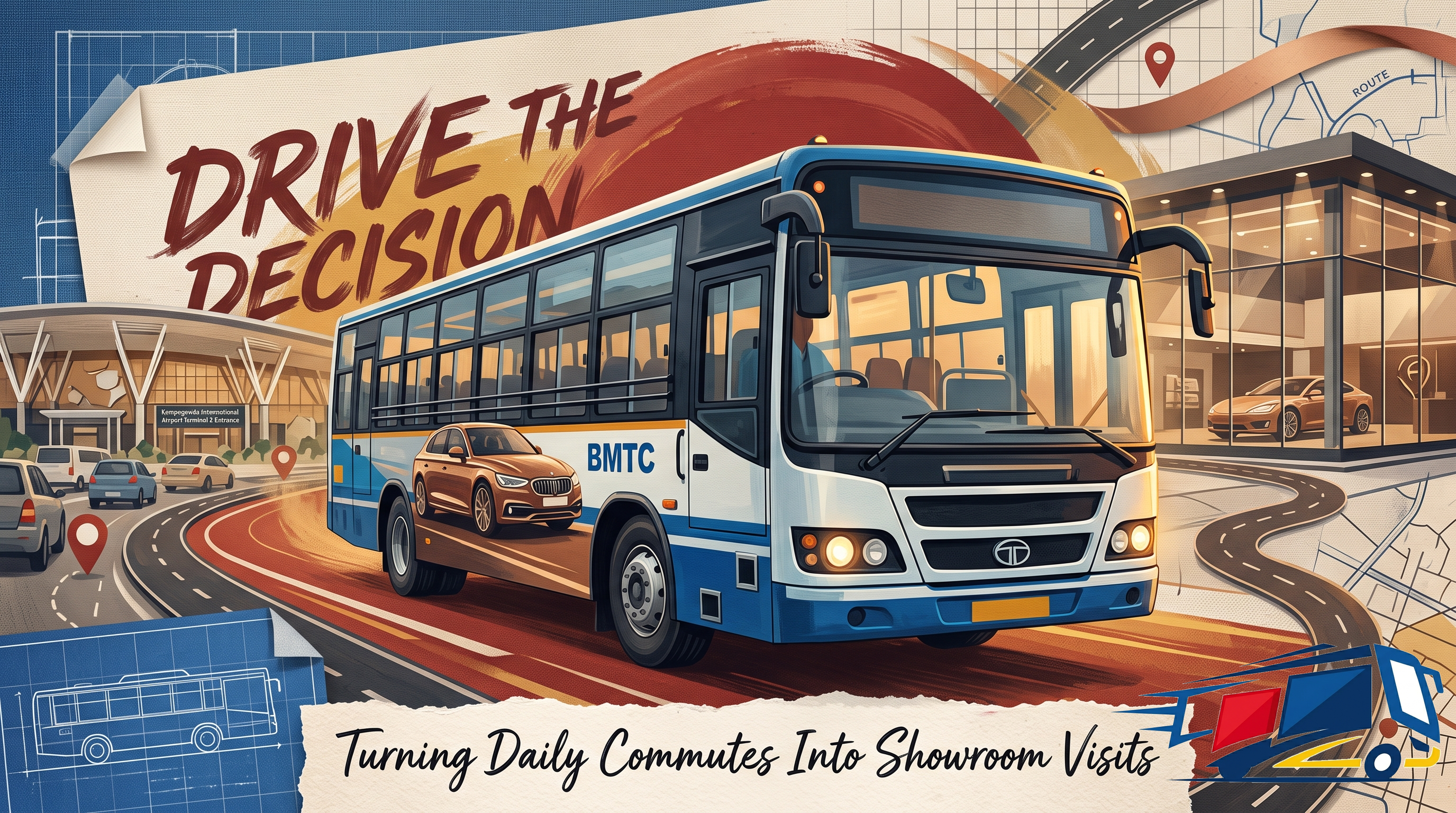
Bus Branding for Automobile Dealerships
How bus branding drives showroom visits and test drives for car and bike dealers: reaching buyers on the road, winning the local visit, routing to the showroom, and timing to launches and festive buying.